


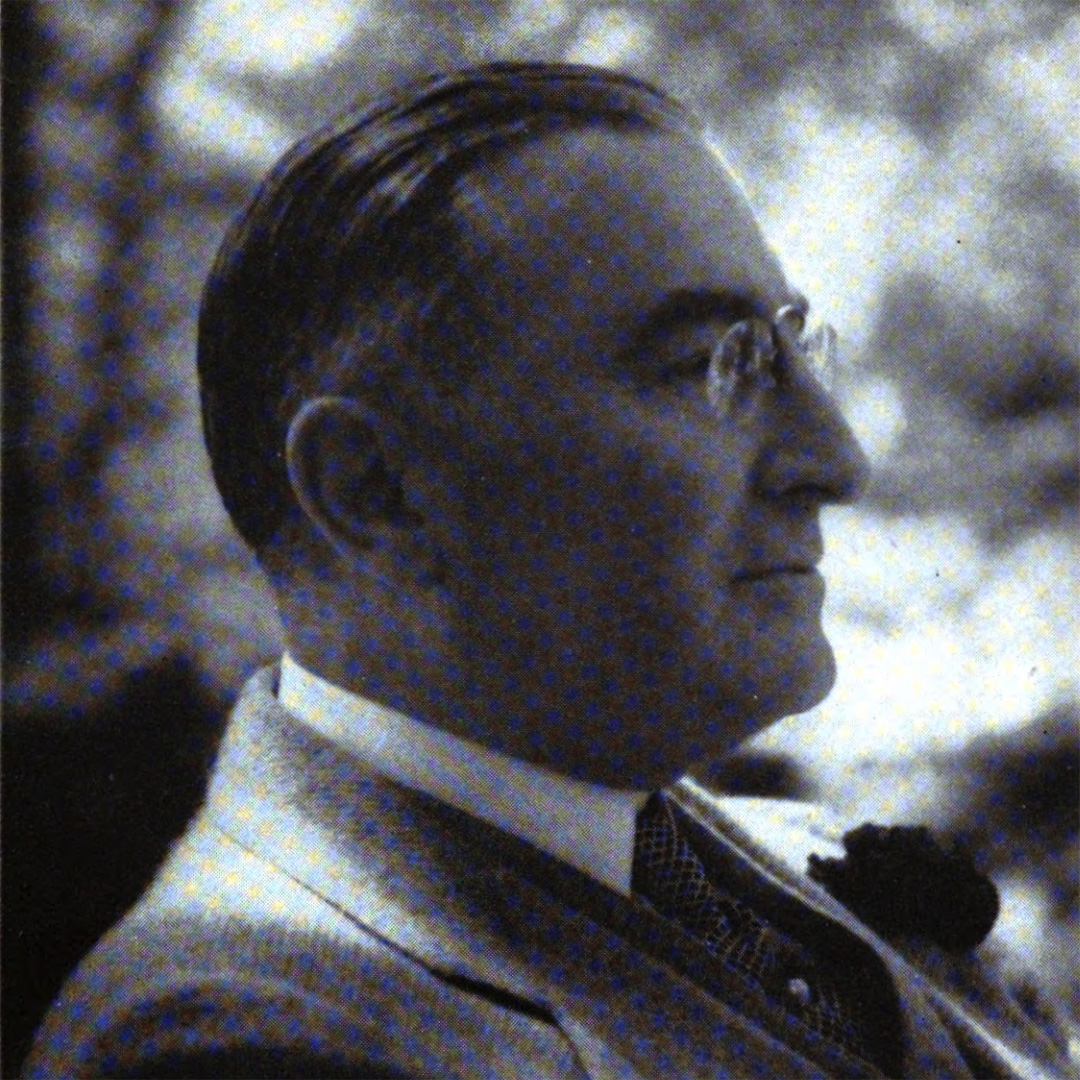
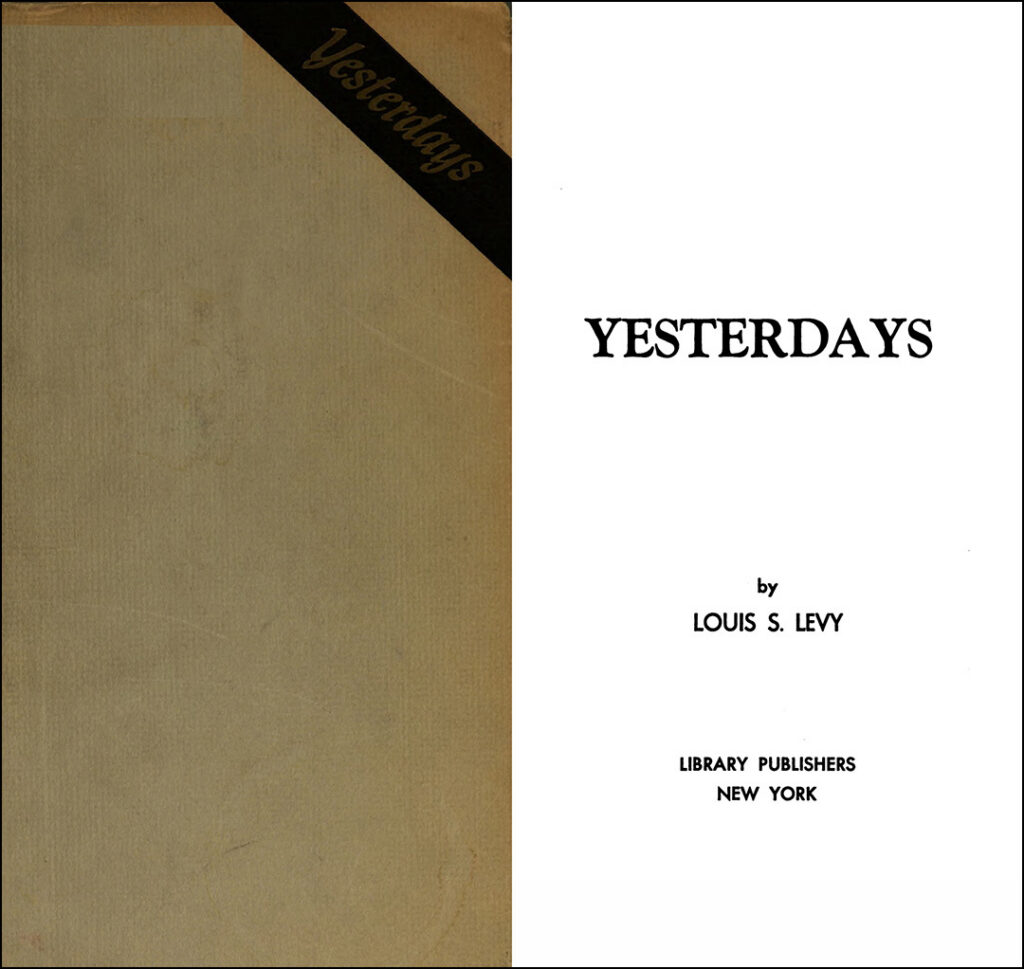
Louis Samter Levy chronicled his life as a prominent attorney of power brokers and Wall Street’s financial circles in his book “Yesterdays”
We all know of Lewis Samter Levy as the high-minded defender of equal rights and inclusion who, alongside Henry Mark Fisher and Frederick Manfred Werner, founded Pi Lambda Phi as the first non-sectarian national fraternity. But did you know about his professional accomplishments during a transformative era of growth and industry in American history?
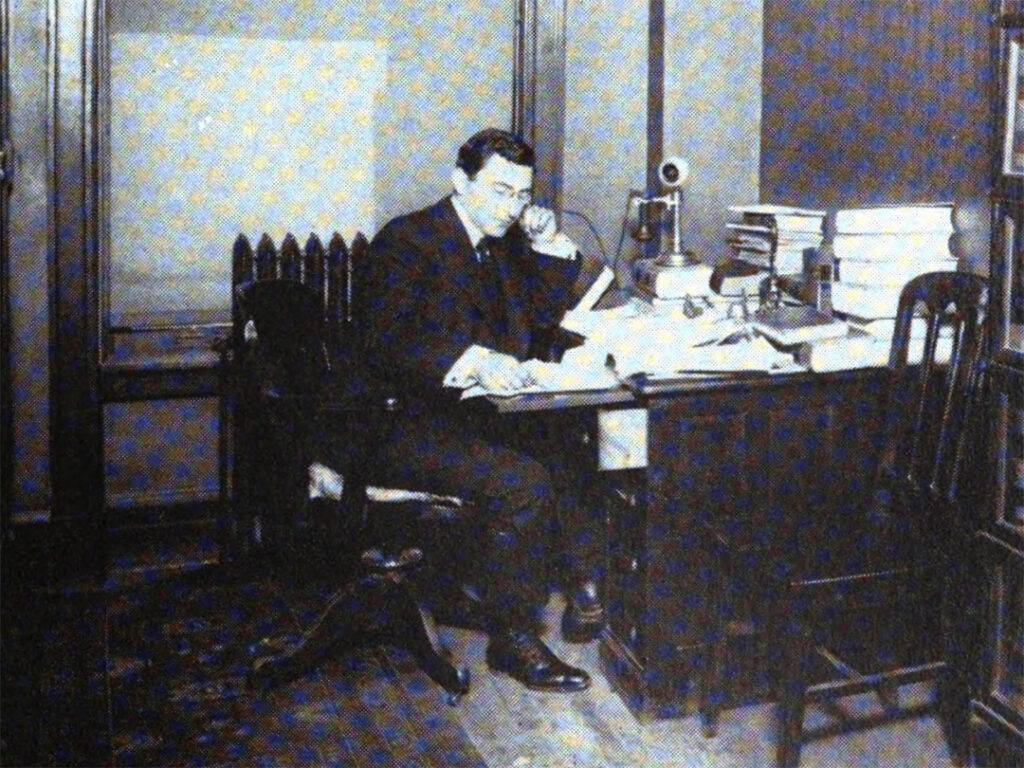
“Yesterdays,” a memoir written by Levy, chronicles his career as a prominent New York corporate attorney who practiced law in Wall Street’s high-stakes financial circles during the early to mid-20th century. Levy’s narrative traces his rise from a sharp young advocate to one of Wall Street’s most sought-after corporate attorneys.
Throughout his memoir, Levy details his involvement with influential political figures, titans of finance, and legendary legal minds of the era.
Levy’s notable clients
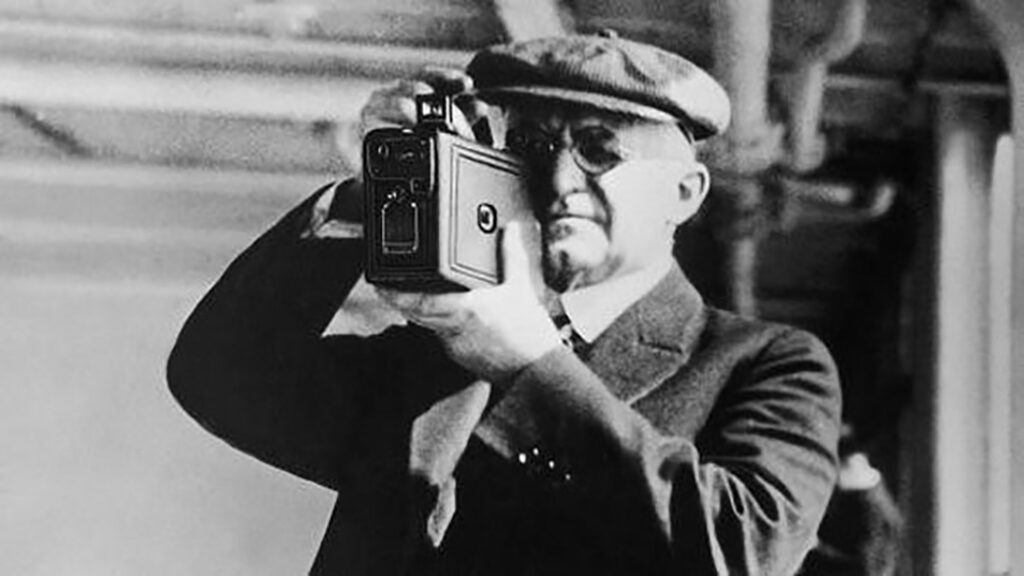
George Eastman – Brought the wonders of photography to American homes
As legal counsel for George Eastman, Levy represented Eastman after his company, Eastman Kodak was declared a monopoly by the government, which opened them to a flurry of lawsuits, including a number of opportunists who sought “triple damages.” Levy helped to disprove the value of damages that were claimed in court, which protected Eastman from further excessive claims.
Levy spoke of Eastman’s contributions to American culture writing, “WWI fostered invention, promoted productivity, and brought new leaders to the forefront. Prominent among them was George Eastman, a humble bank clerk who brought the wonders of photography into every American metropolis and village.”
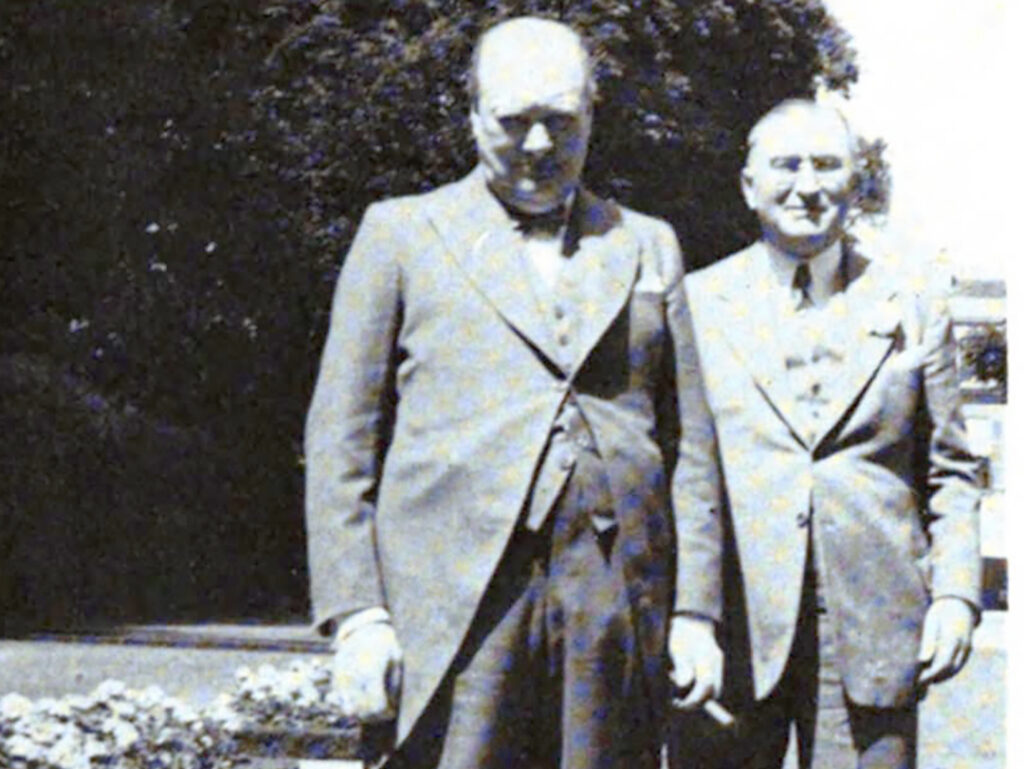
Winston Churchill – Prime Minister of the United Kingdom
Levy provided legal assistance and counsel to the Honorable Winston S. Churchill and his daughter, Sarah during their travels to America.
Churchill said of Levy, “He certainly was a man of the highest quality of brain and heart, who rose under the free institutions of America — as anyone has a right to do — from humble beginnings to high, long, and successful executive office.” He added, “His devotion to his religion was the comfort and inspiration of his life and his many private virtues. He loved his fellow men and was capable of giving them the noblest forms of service and sacrifice.”
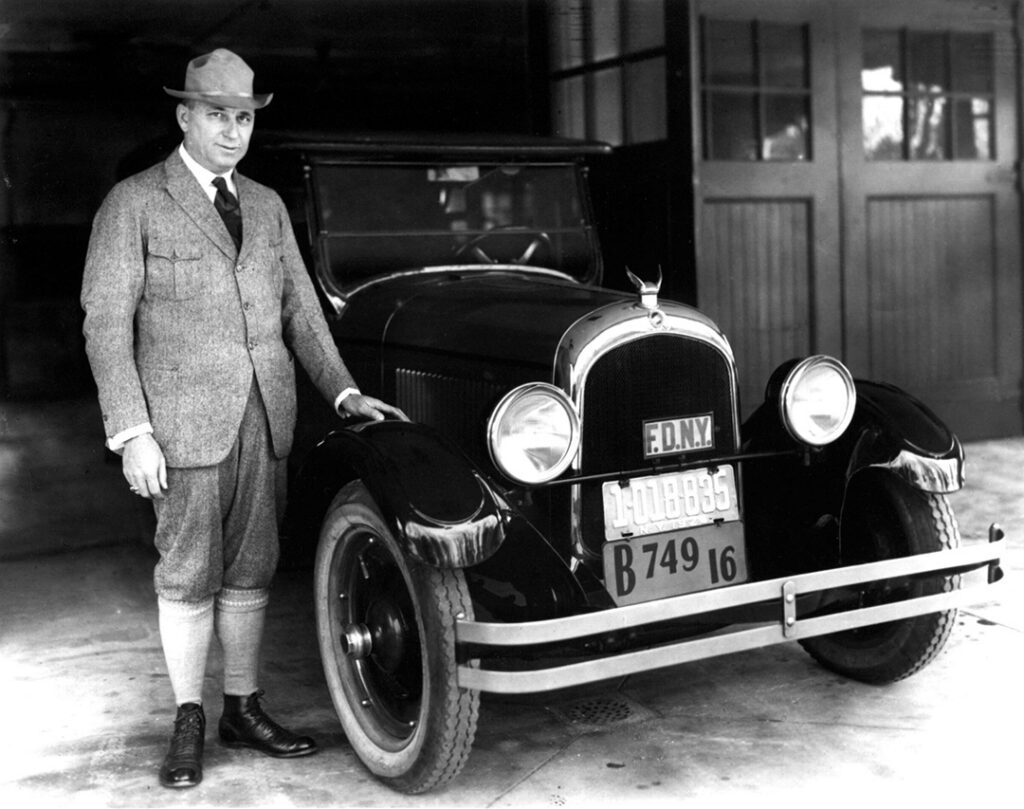
Walter P. Chrysler – Founder of the Chrysler Corporation
Walter Chrysler came to Levy asking him for help with a dispute with General Motors, where he had risen to president of the GM subsidiary Buick. Though he had established himself as an innovator and increased productivity, he was terminated due to disagreements with the owners. In typical corporate fashion, they offered him a complicated separation agreement, that they expected he would not understand nor pursue. Levy carefully reviewed the document and demanded the full cash value from GM of the employee stock offering, which they begrudgingly accepted.
Chrysler would go on start his own staple of the American auto industry, the Chrysler Corporation. Levy described Chrysler’s contributions to the automotive industry writing, “His story is one of a curious mechanic whose imagination was stirred by the magic of an engine. His engines were the most effective; his designs the latest; his vehicles of every type waged a strong competition for the nation’s patronage.”
A distinguished list of clients and mentors
Throughout the memoir, Levy details his involvement with other influential business figures and legal minds who he represented and consulted with including: New York Governor Al Smith, Supreme Court Justice Benjamin Cardozo, the Guggenheim family, and industrialist August Heckscher, among others.
The impact of “Yesterdays” and of Louis Samter Levy
Though the book was published in 1954, two years after his death, “Yesterdays” is a valuable historical artifact, blending personal anecdotes with institutional history to illuminate the intersection of big business, politics, and the law in early 20th-century America.
Levy truly led courageously and documented an era of unprecedented legal and economic power. He had a front-row seat to the transformation of American corporate law during the late Gilded Age, the Roaring Twenties, and the Great Depression.
Of course, Louis Samter Levy will be remembered “Not Four Years, But a Lifetime” for launching an experiment of acceptance and inclusion resulting in Pi Lambda Phi, a fraternity that has persevered and thrived for 130 years!