


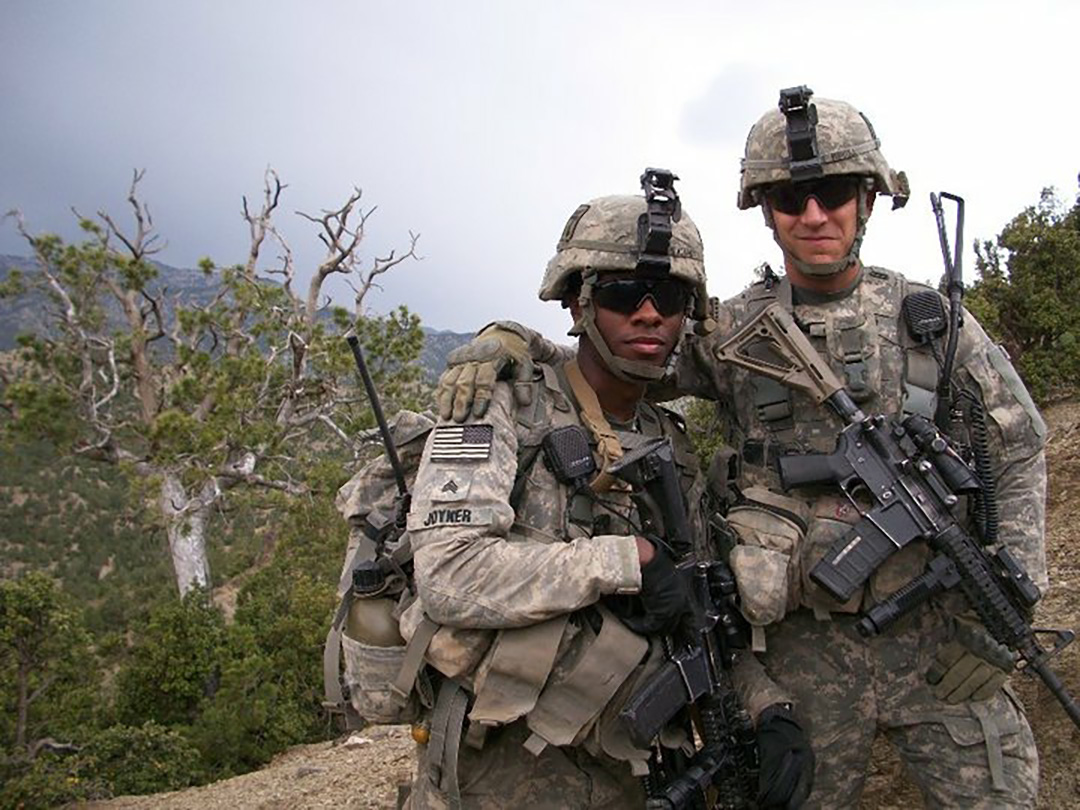
Jim Rudisill – Fighting for country, veterans, and brotherhood
Jim Rudisill (NC State) spent a good part of his life fighting for our country in the military and the FBI, but never expected to have to have the fight of his life in a battle for veterans benefits. His struggles with accessing GI Bill benefits for tuition assistance led to a drawn-out court battle that he eventually won after years of litigation.
Jim’s case could result in improved government-paid benefits for many of the nation’s longest-serving veterans who want to further their education.
A calling to serve
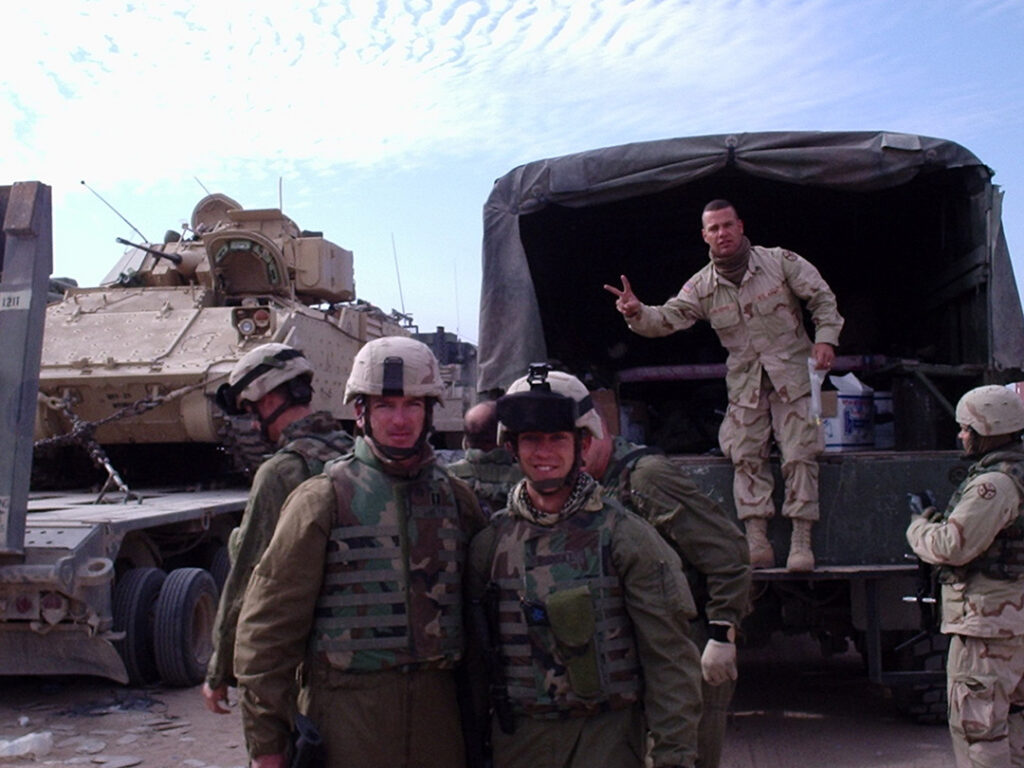
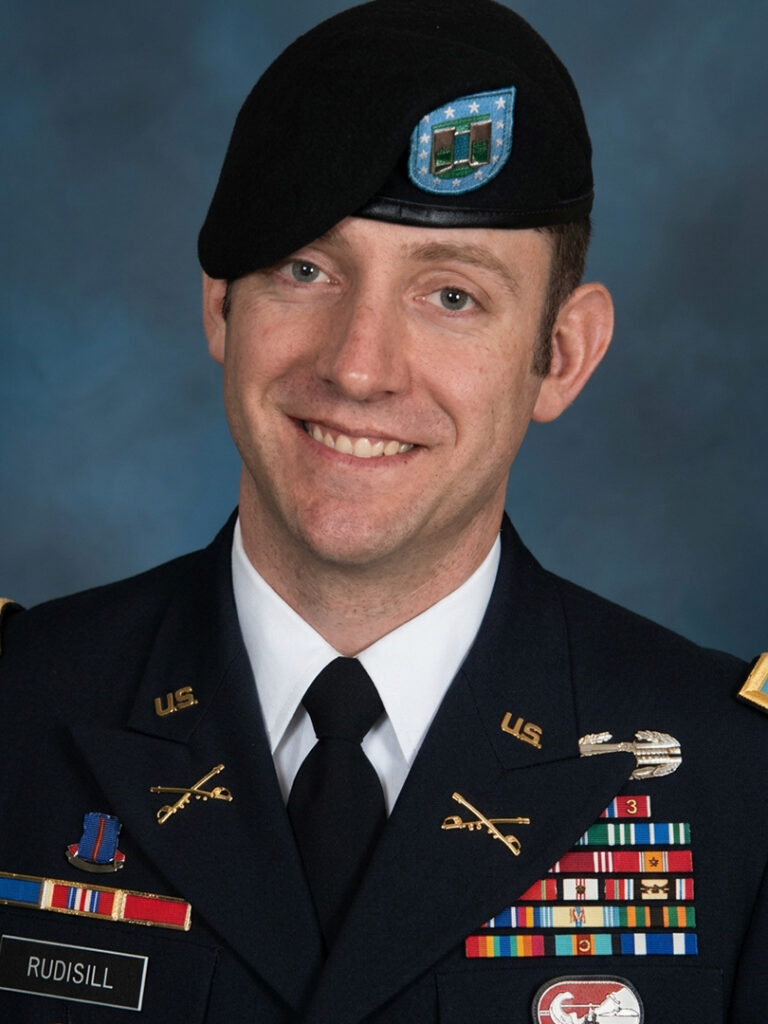
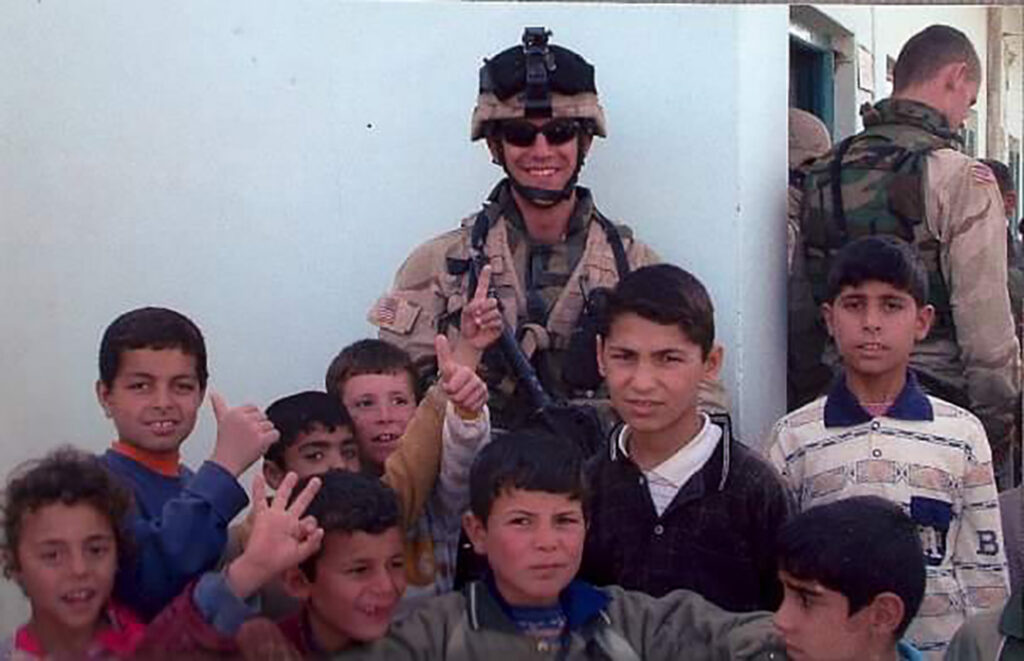


After studying at NC State for three semesters, Rudisill transitioned to the military, serving nearly 12 years in an Army armored division with multiple combat tours in Kosovo, Iraq, and Afghanistan.
In Kosovo, Jim’s ability and leadership earned him a rare appointment to West Point, where he began a preparatory year for the West Point curriculum. Following the events of 9/11, he chose to return to his unit rather than finish his studies saying, “all my buddies were involved in the invasion of Iraq. So I finished up my plebe year and went back to the force.”
As a platoon leader in Afghanistan, Rudisill successfully turned back a Taliban assault and directed medical evacuations under fire, earning the Bronze Star and achieving the rank of captain.
Navigating the battle of red tape
Hoping to counsel fellow service members struggling with stress and depression, Rudisill sought to become an Army chaplain and was accepted into Yale’s graduate divinity school. However, he ran into major hurdles with the Veterans Administration bureaucracy regarding his educational benefits.
Although he qualified for both the Montgomery GI Bill and the Post-9/11 GI Bill due to serving before and after September 11, he was denied full benefits. This sparked a years-long legal battle that culminated in a 7-2 Supreme Court victory in Rudisill v. McDonough.
Though the ruling came too late for Rudisill to serve as a chaplain due to age limits, he found solace knowing that roughly 1.7 million veterans could now benefit and pursue similar educational paths.
Continuing service in the FBI
Following his military career, Rudisill transitioned to federal law enforcement. He currently serves as an FBI special agent in counterintelligence and espionage at headquarters, with past experience working on a Joint Terrorism Task Force, serving as a bomb technician, and managing international bomb-program operations.
Pilam made him feel valued
Jim loosely compared his experiences in the fraternity with the camaraderie he felt in the peacetime Army. He said, “you experience a lot of unit pride and esprit de corps. It feels a lot like a fraternity; the pride you feel in your chapter.”
He said the appeal of Pilam was that, “It didn’t matter where you came from, how fat your dad’s wallet was, or what your background was. They looked at you for the quality of the man that you presented yourself as, and made you feel welcome and valued.”
“We had guys from all parts of North Carolina, from Charlotte to the most rural areas. So it was very diverse, very eclectic. We had all races and ethnicities in our chapter, which was a point of pride.”
Serving the fraternity
Today, Rudisill gives back to the fraternity by serving on the International Executive Council. He supports its mission of courageous leadership and character building, drawing parallels between the decision-making required in fraternity leadership and his extensive career in the military.
He said, “I’m learning as I go here, but I really like the vision and direction that the guys who have been on council for a while are trying to take the fraternity nationally. I love the mantra that they have embraced about leading courageously and the emphasis they’ve placed on character.”
“There’s nothing comfortable about being a leader. You’re never going to make everyone happy. But at the end of the day, you have to have the patience and wherewithal to be able to balance all of the variables that you can, and then make the right decisions.”